
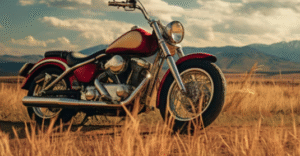
Owning a piece of American motorcycling history is a dream for many enthusiasts, and few models capture the spirit of freedom as effectively as the commemorative releases from Milwaukee.
When you decide to search for a Liberty Edition Harley, you are not just looking for a mode of transportation; you are seeking a rolling tribute to a specific era of national pride and manufacturing excellence.
Because these motorcycles were produced in limited numbers and feature unique aesthetic details, the process of evaluation differs significantly from purchasing a standard production model.
Success in this endeavor requires a keen eye for original details, a thorough understanding of mechanical preservation, and a patient approach to the vintage market.
Verifying the Authenticity of Commemorative Graphics
The most defining characteristic of this specific series is the unique paint scheme and the detailed decals that adorn the fuel tank and fenders.
When inspecting a potential purchase of a liberty edition harley, it is vital to ensure that these graphics are original and have not been poorly reproduced or painted over.
Look for the crispness of the lines and the correct metallic flake in the paint, as these were signatures of the factory finish at the time. Authentic emblems and commemorative badges are difficult to replace, so their presence and condition significantly impact the historical value of the machine.
Assessing the Mechanical Integrity of the Powertrain
Beyond the aesthetic appeal, the underlying mechanical health of the engine and transmission remains the most important factor for any rider.
Many of these limited models have spent long periods in storage or as display pieces, which can lead to issues like dried seals, gummed fuel systems, and internal corrosion. You should request a comprehensive service history to see if the motorcycle has been started and cycled regularly.
A professional mechanical inspection should prioritize the compression levels, the condition of the primary drive, and the absence of oil leaks from the crankcase.
Evaluating the Condition of Original Chrome and Trim
During the era these motorcycles were produced, high quality chrome plating was a hallmark of the brand. However, moisture and neglect can lead to pitting and peeling that is expensive to remediate. Carefully examine the exhaust headers, engine covers, and handlebars for signs of rust or oxidation.
Because maintaining the original look is paramount for a collectible edition, finding a specimen with well preserved brightwork is often more cost effective than attempting a full restoration of damaged metal surfaces.
Confirming Matching Numbers and Documentation
To ensure that your investment is sound, you must verify that the engine numbers match the frame and the official title. Discrepancies in these numbers can indicate major past repairs or part swaps that diminish the collectibility of the vehicle.
Additionally, any original paperwork, such as the initial bill of sale, owner manuals, or promotional brochures included at the time of purchase, adds a significant layer of provenance. Collectors highly prize these documents as they provide a verifiable timeline of the motorcycle’s history and ownership.
Inspecting for Period Correct Components and Accessories
It is common for owners to modify their bikes over the years with aftermarket seats, mirrors, or lighting. However, for a commemorative model, the presence of original factory components is essential for maintaining its value.
Check to see if the indicators, grips, and footpegs align with the specifications of the original release year. If modifications have been made, ask if the seller still possesses the original parts.
Reverting a motorcycle back to its factory configuration is much easier when the authentic components are included in the sale.